HILO at Blenheim Palace

Sterling Mackinnon
Lichen at Blenheim
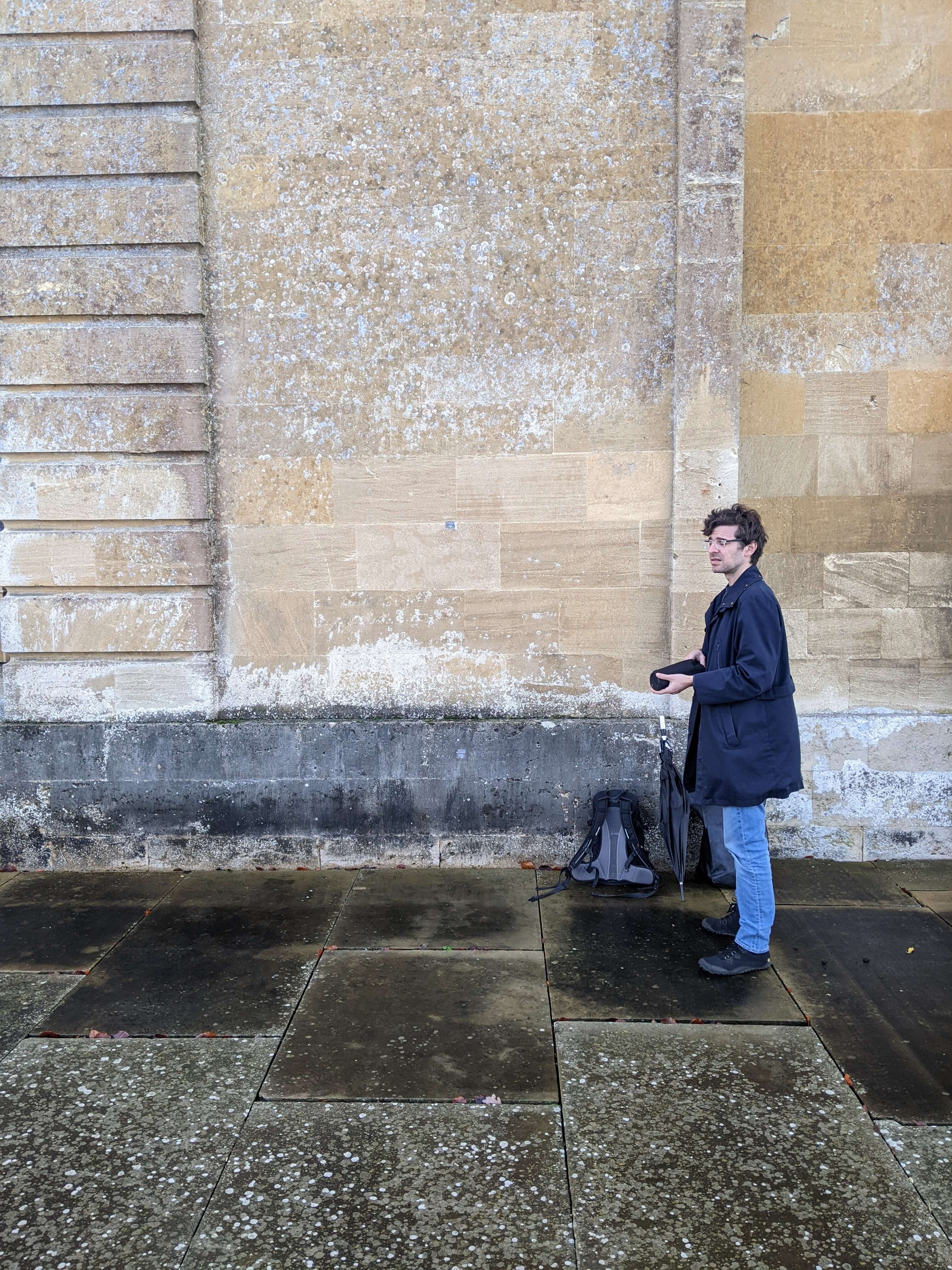
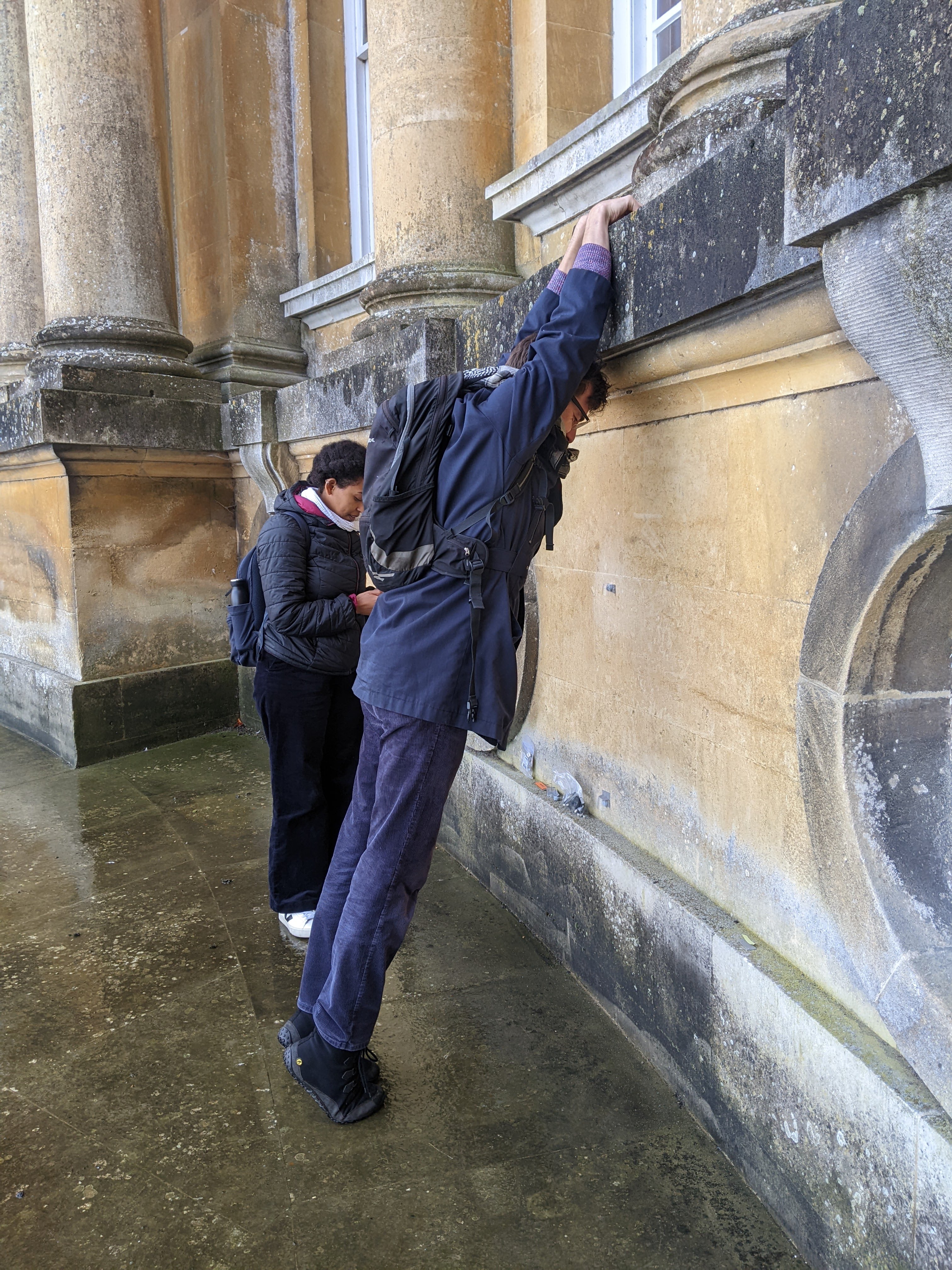
Different types of lichens are found across the facades of Blenheim Palace, though they are often under-appreciated, under-valued and hardly noticed by visitors. Furthermore, site managers are curious to know which species cause damage to the centuries-old stonework and which are bio-protective.
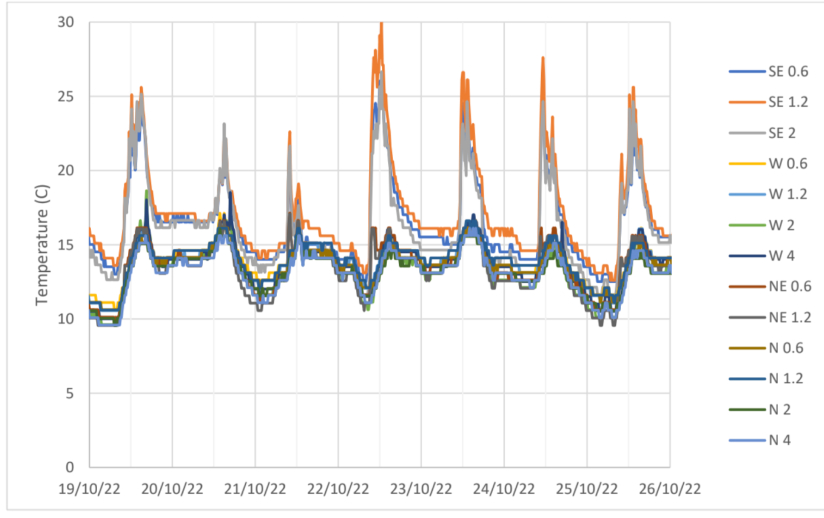

In this research programme, HILO has brought together environmental science and heritage science researchers with educators and built heritage professionals to explore how lichen ecologies can be considered unique indicators of stone health. It has produced unique insights into what species are present at the palace, why they’re there, and what they’re doing. This programme has also already resolved in a public facing report and educational material about the wonderful, and largely hidden, world of lichen at Blenheim Palace.
Iron at Blenheim
In recent years, Blenheim Palace has suffered from episodes of stone falling from the facades, often related to damage caused by the corrosion of iron embedded in the masonry. Part of anticipating when stone will fail in the future is about better understanding how iron corrodes.
For this research programme HILO has assembled researchers from both engineering and heritage science (all in collaboration with built heritage professionals) to understand what influences the rate of corrosion and to develop non-invasive techniques to monitor corrosion-induced stresses on the stonework.

Stone Characterisation
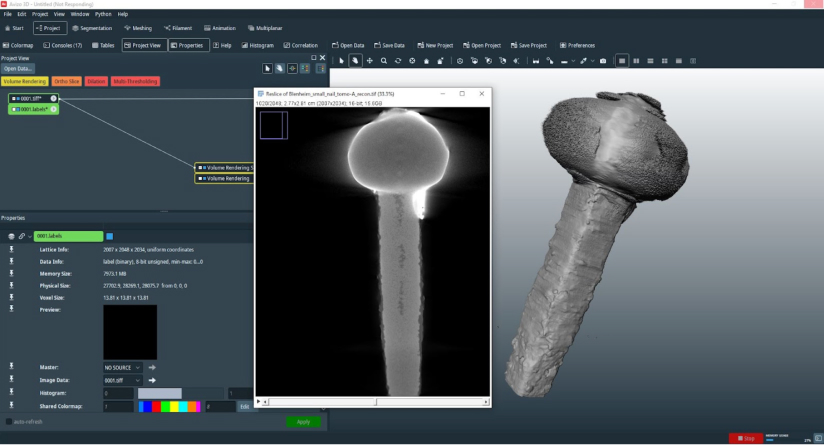
As stone falls from the palace walls, samples are taken to the laboratories at Oxford University School of Geography and Environment where HILO scientists conduct tests ranging from digital microscopy and thin section analysis to absorption testing and more. The results of these tests and analyses help HILO to assemble characterisation profiles of the many stone typologies that make up the fabric of the palace.
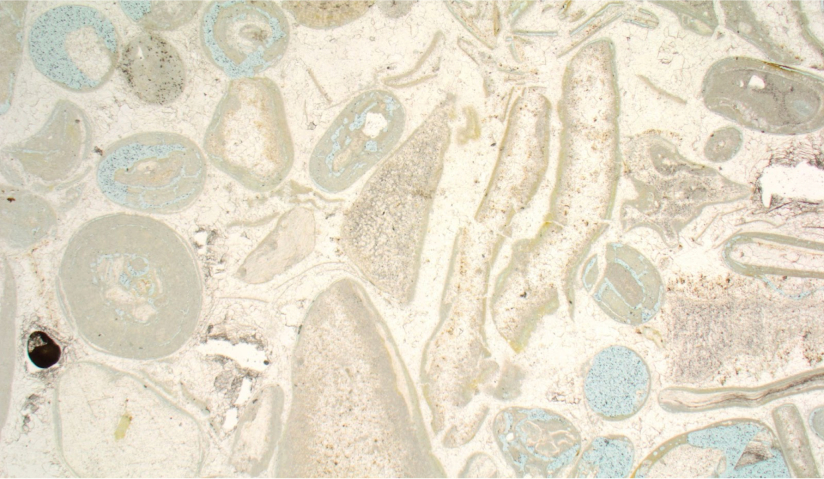
Figure 1 Detail from a thin section analysis slide
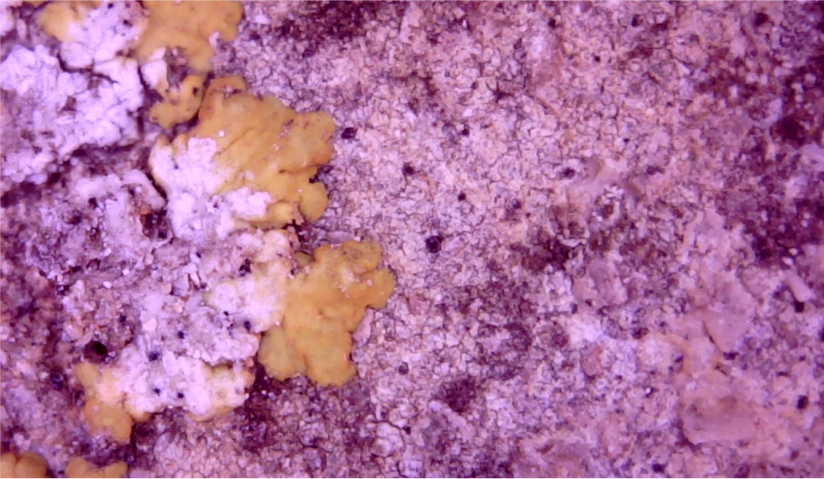
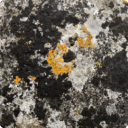
Figure 2 Detail of digital microscopy on stone sample containing lichen
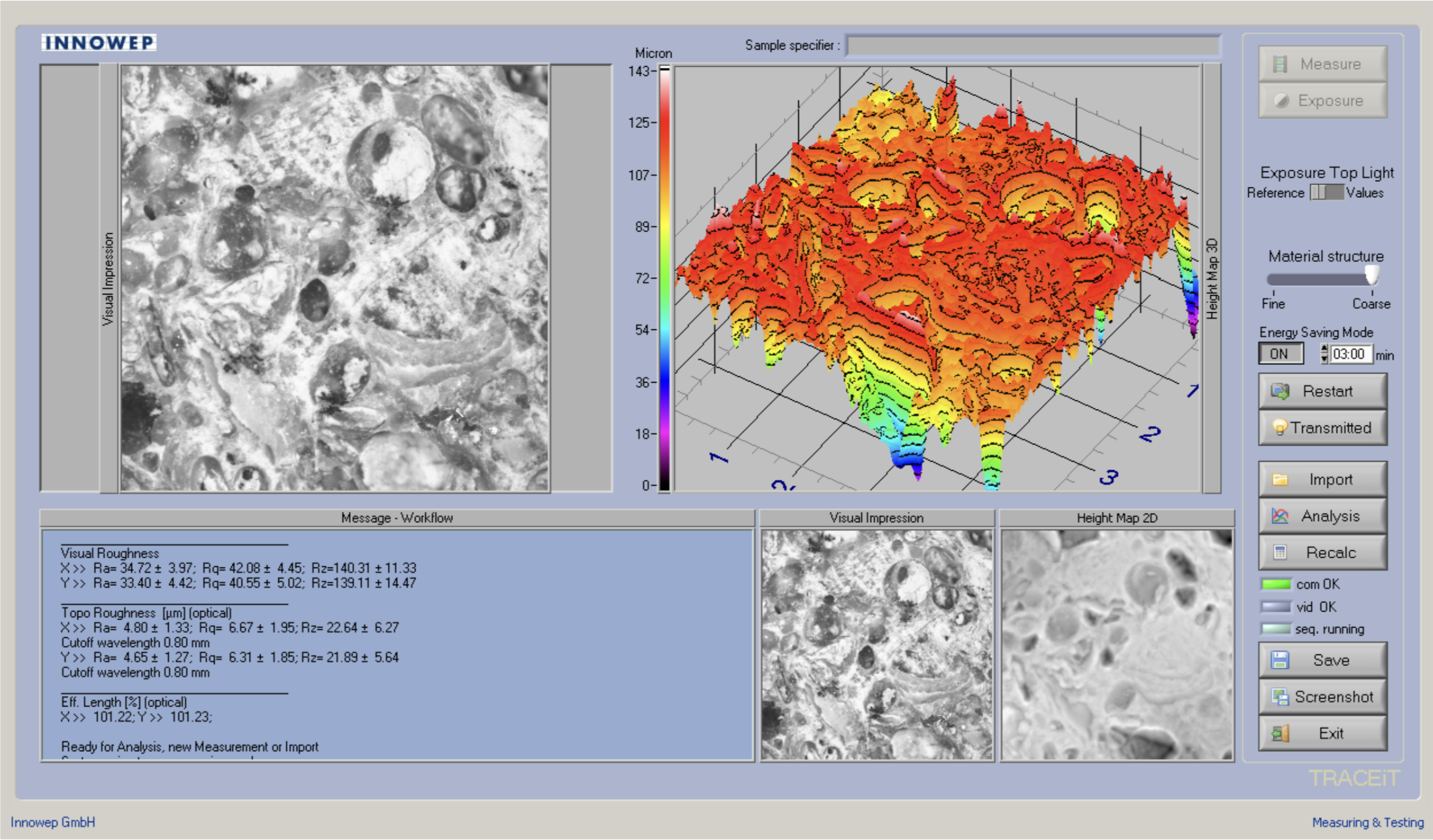
Figure 3 Screenshot of TraceIt software analysis, which relief maps the surfaces of sampled stone
Archives
The unique history of restoration practices at the palace goes back centuries and is chronicled in archives like the Marlborough Papers (held at the British Library) and the Blenheim Palace archive. Using a range of student internships available via Oxford University, HILO has organised and implemented a cataloging and digitisation programme to trace a comprehensive narrative of when and how restorations (particularly to stone) have occurred.
Digital Twins
When taken collectively, the outputs produced through these research programmes comprise a robust database with potential for truly innovative applications in digital twinning and Historic Building Information Modelling (HBIM). Watch this space for updates as the partnership between HILO and Blenheim Palace continues to grow.